A Tour of the Solar System
The solar system is a vast and fascinating collection of celestial bodies, including the Sun, eight planets, moons, asteroids, comets, and more.
Each planet has its unique characteristics and history. From the scorching surface of Mercury to the icy winds of Neptune, the solar system offers an
incredible range of environments and mysteries. This journey through space is not only about discovering the planets themselves but also understanding their
formation and the role they play in the cosmos.
As we explore each planet, we uncover more about the physical processes that shape these worlds. The Sun, the center of our solar system, holds a crucial role in
sustaining life on Earth through its heat and light. Meanwhile, the other planets vary greatly in size, atmosphere, and geological features. Some, like Mars, show evidence
of past water, while others, like Venus, have inhospitable conditions. Learning about the solar system helps us gain insights into the origins of our own planet and the
potential for life elsewhere in the universe.
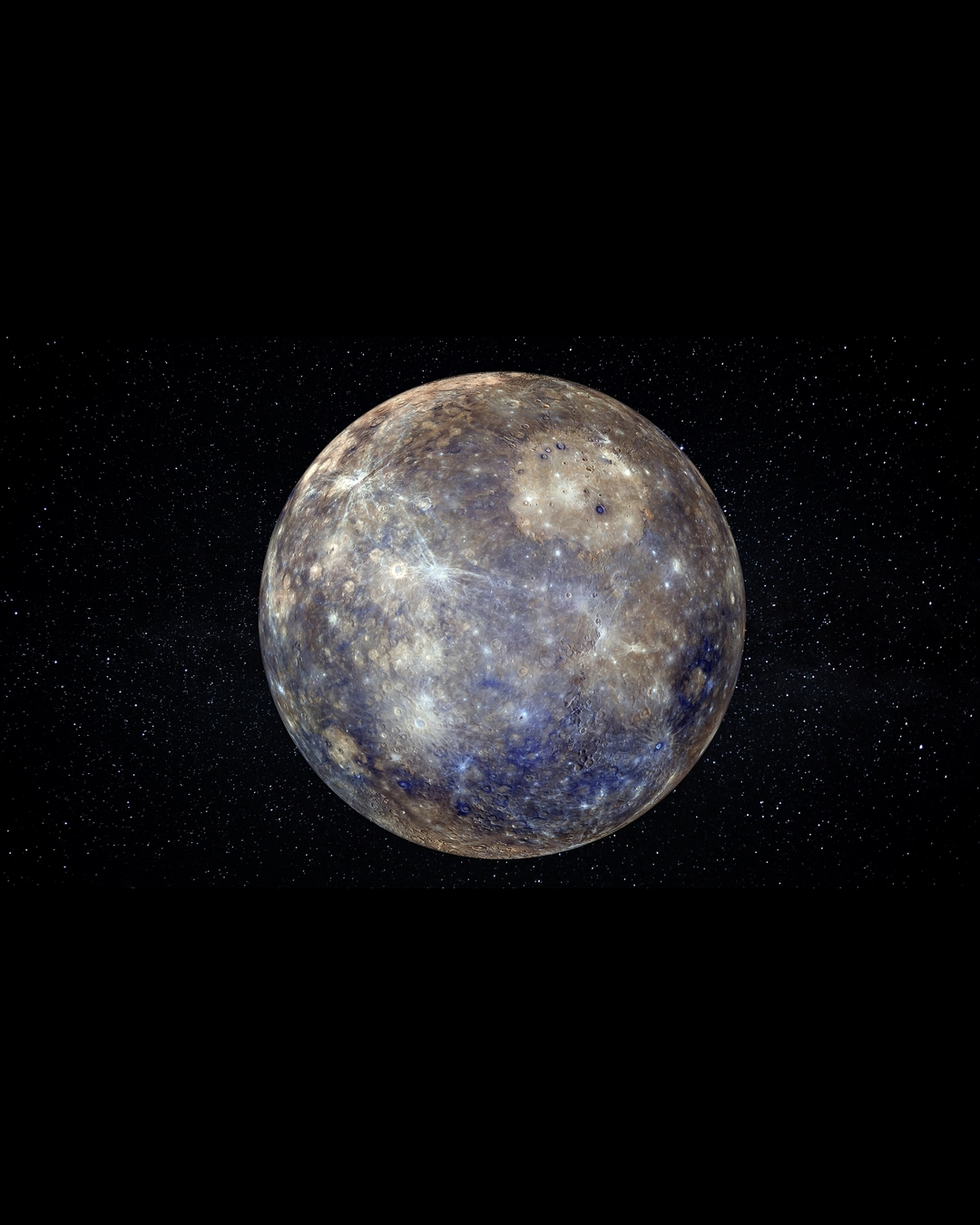
Mercury is the smallest planet and closest to the Sun, known for its extreme temperature swings.
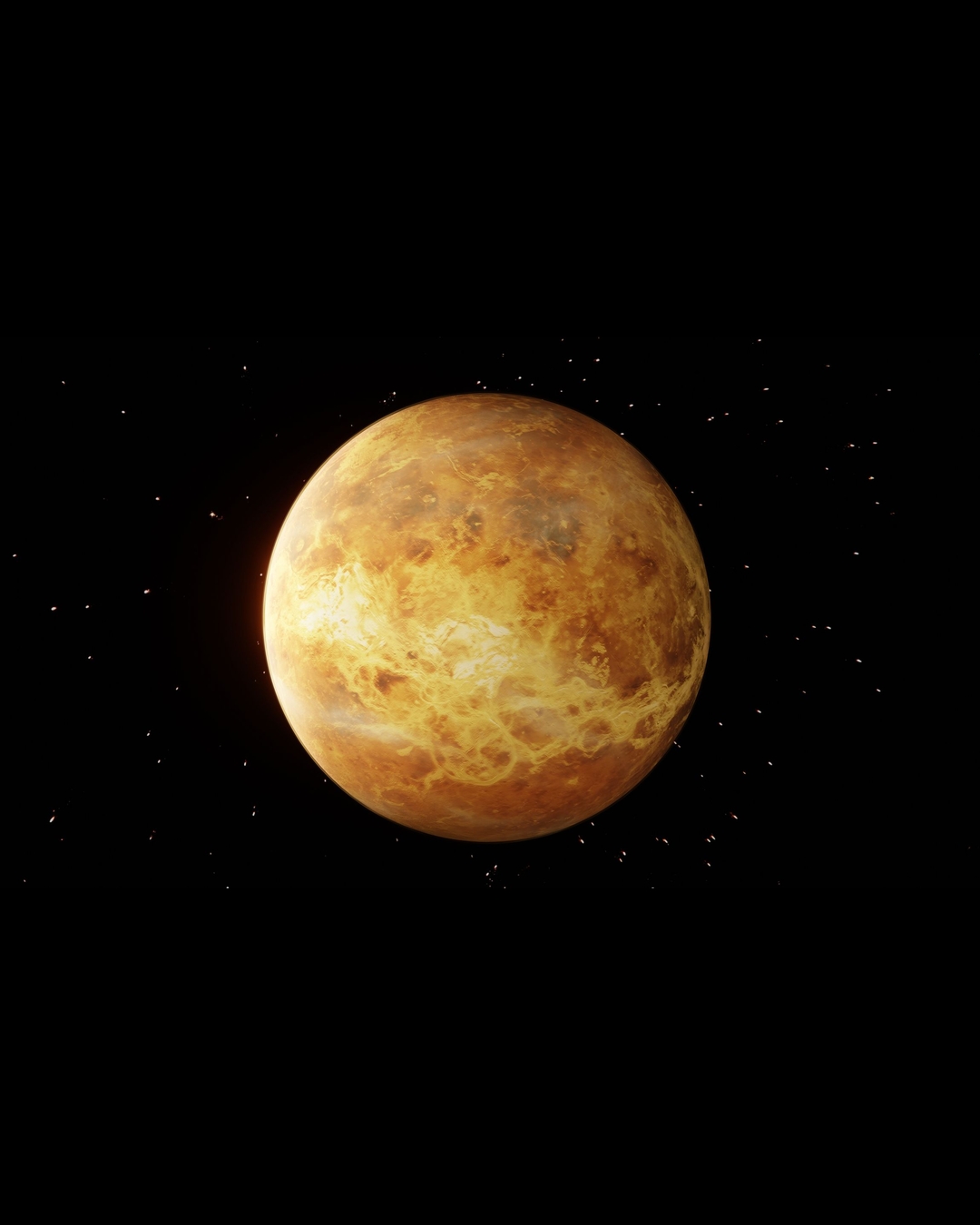
Venus has a thick, toxic atmosphere and is the hottest planet due to its greenhouse effect.
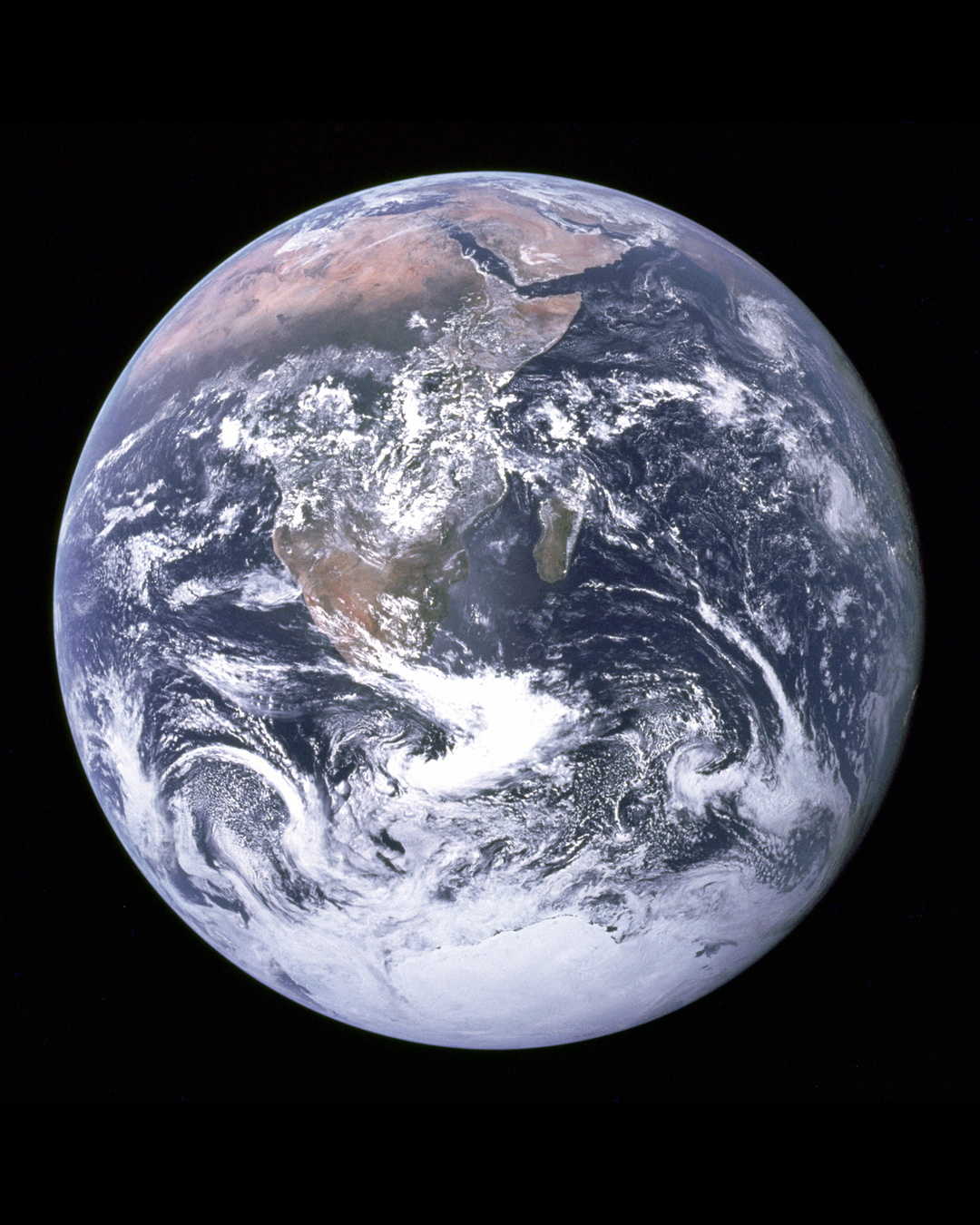
Earth is the only planet known to support life, with vast oceans, diverse climates, and a breathable atmosphere.
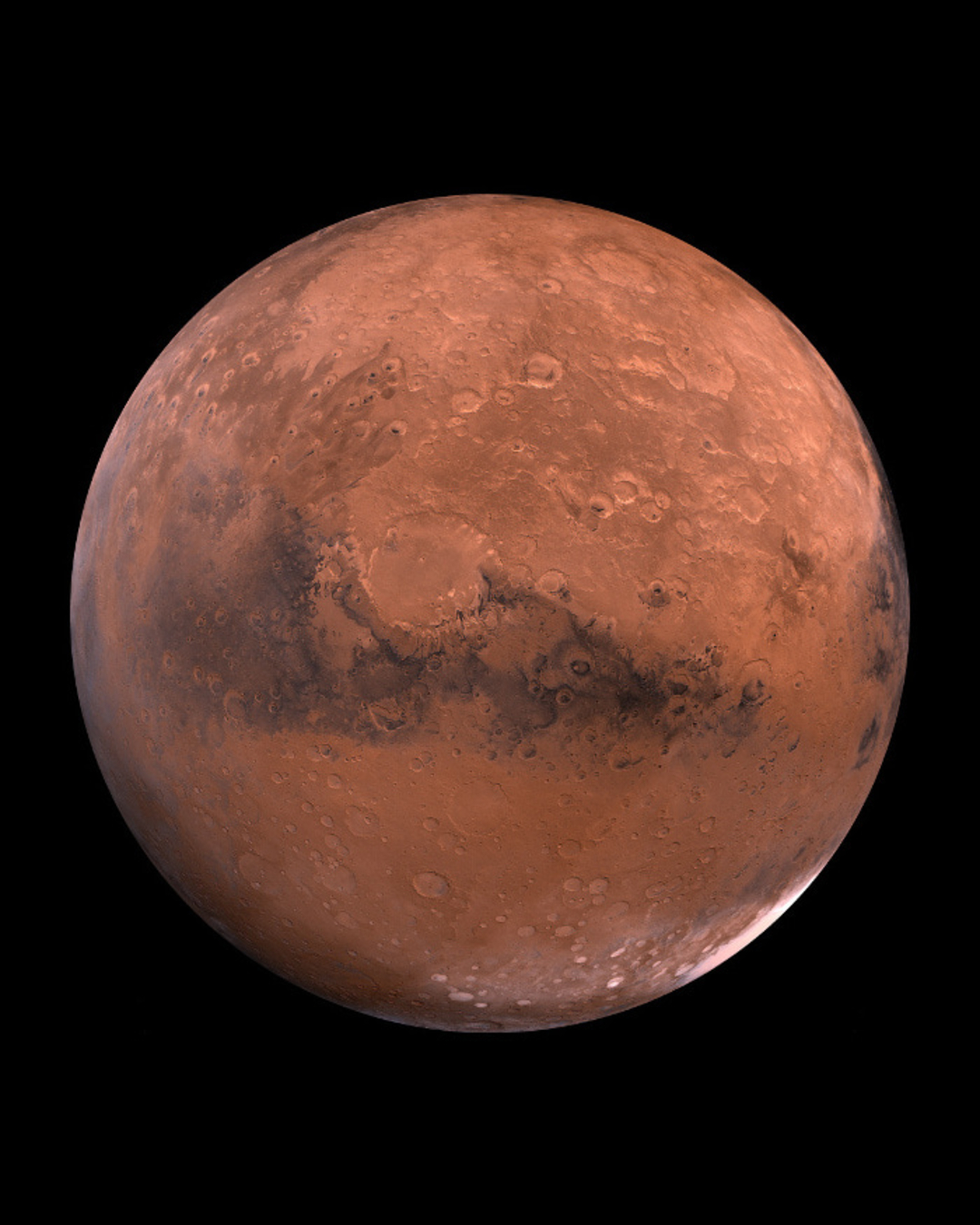
Known as the Red Planet, Mars has dusty deserts, polar ice caps, and signs that water once flowed there.
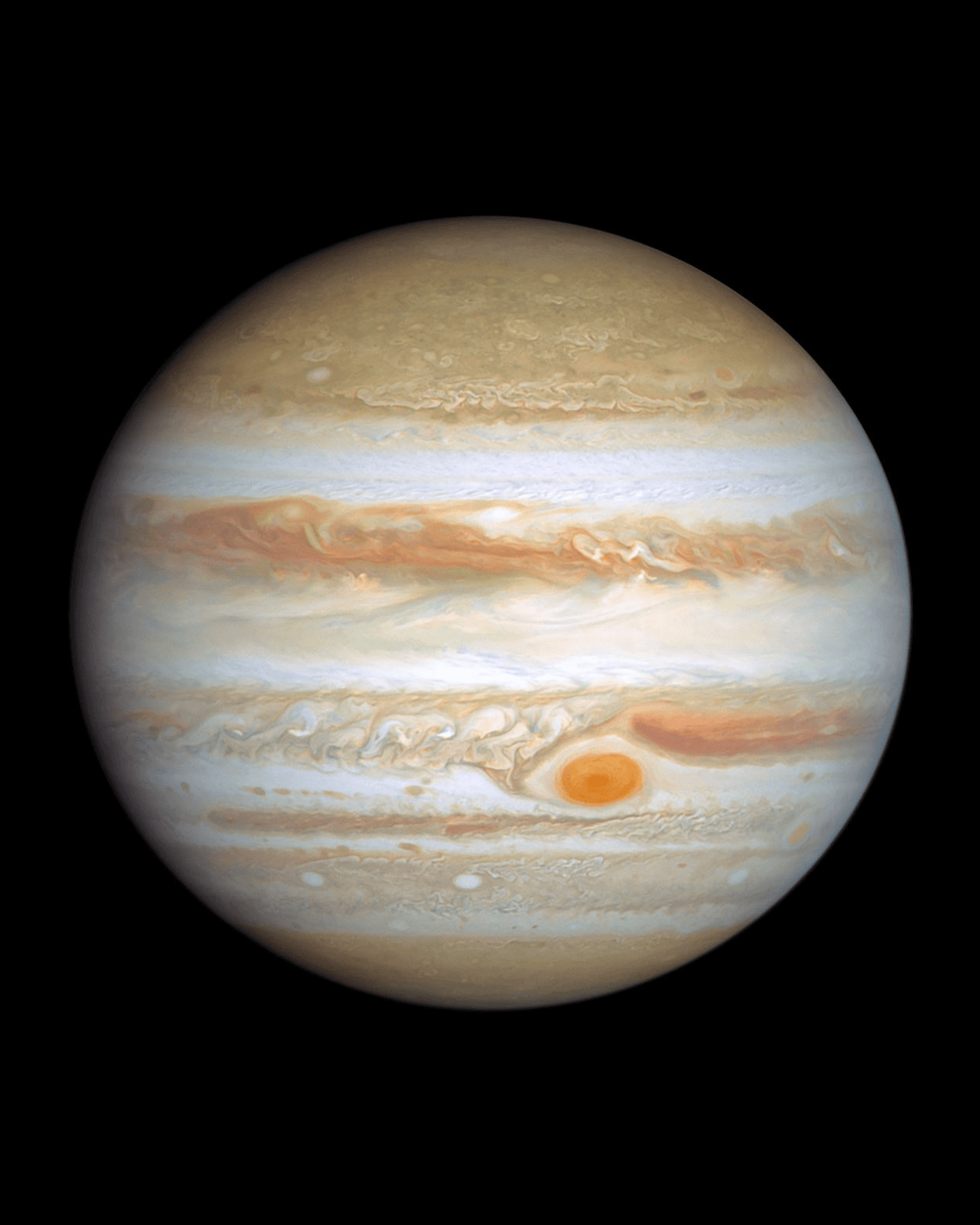
Jupiter is the largest planet, famous for its Great Red Spot and dozens of moons.
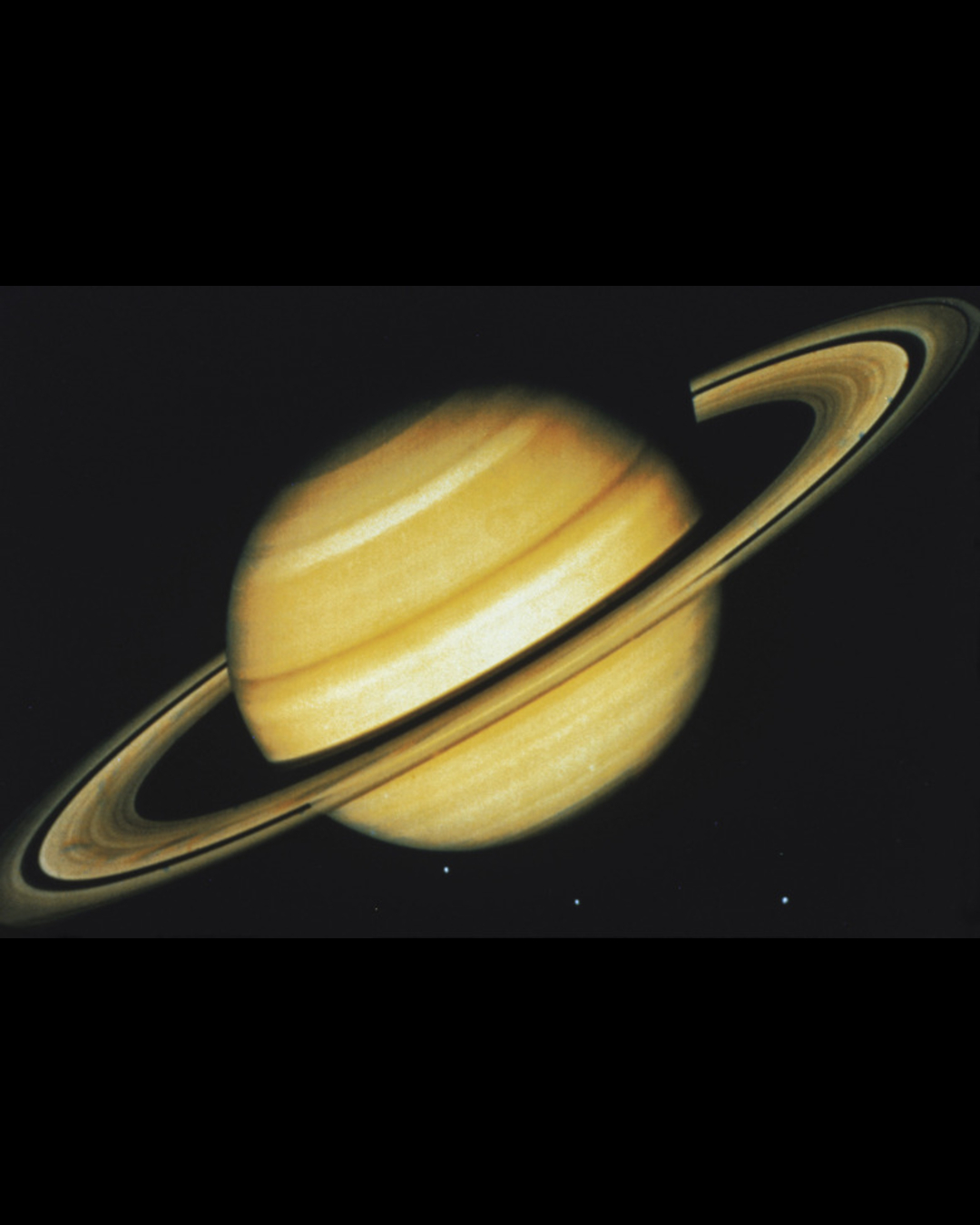
Saturn is known for its stunning rings made of ice and rock, and is the second-largest planet.
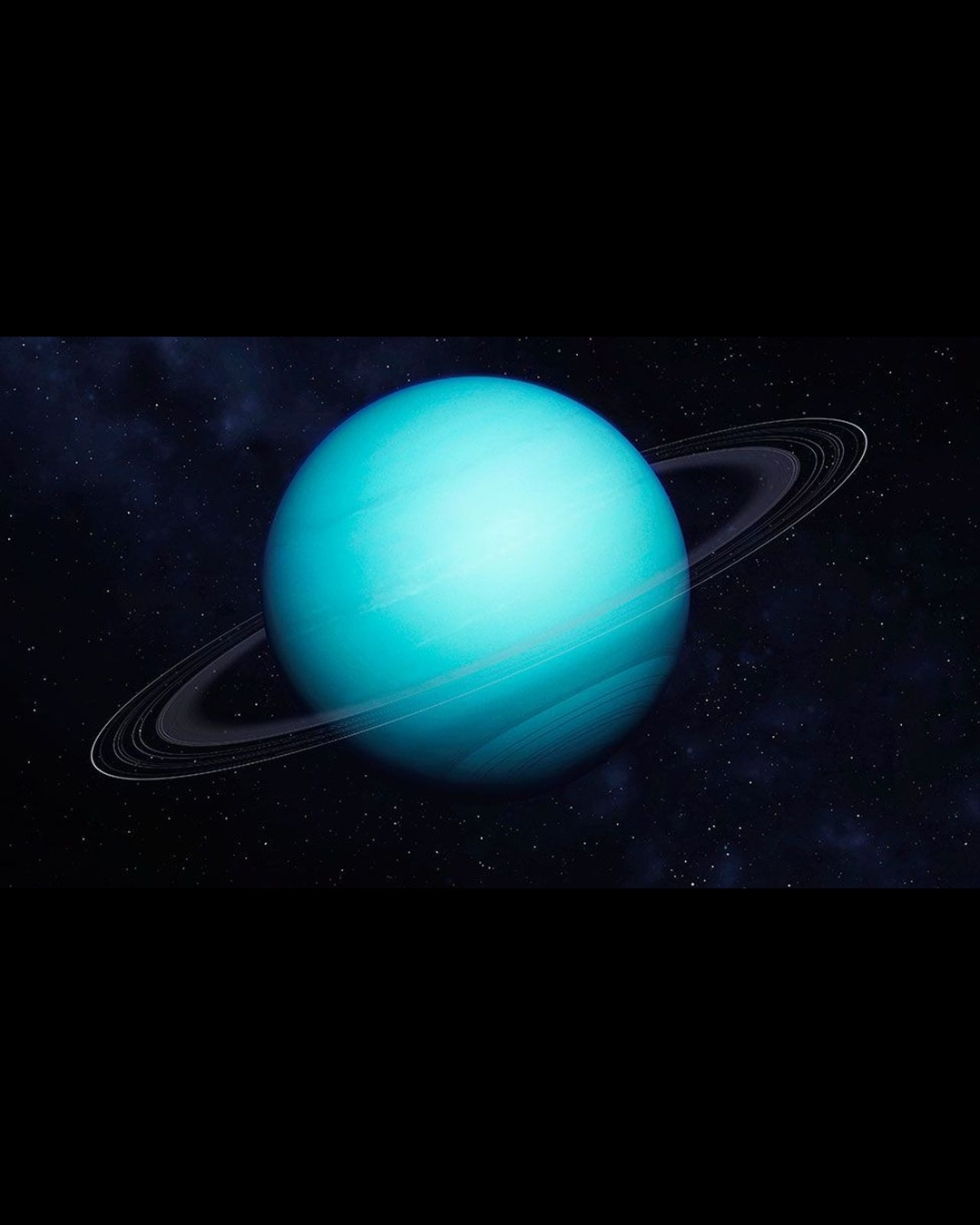
Uranus rotates on its side and has a pale blue color due to methane in its atmosphere.
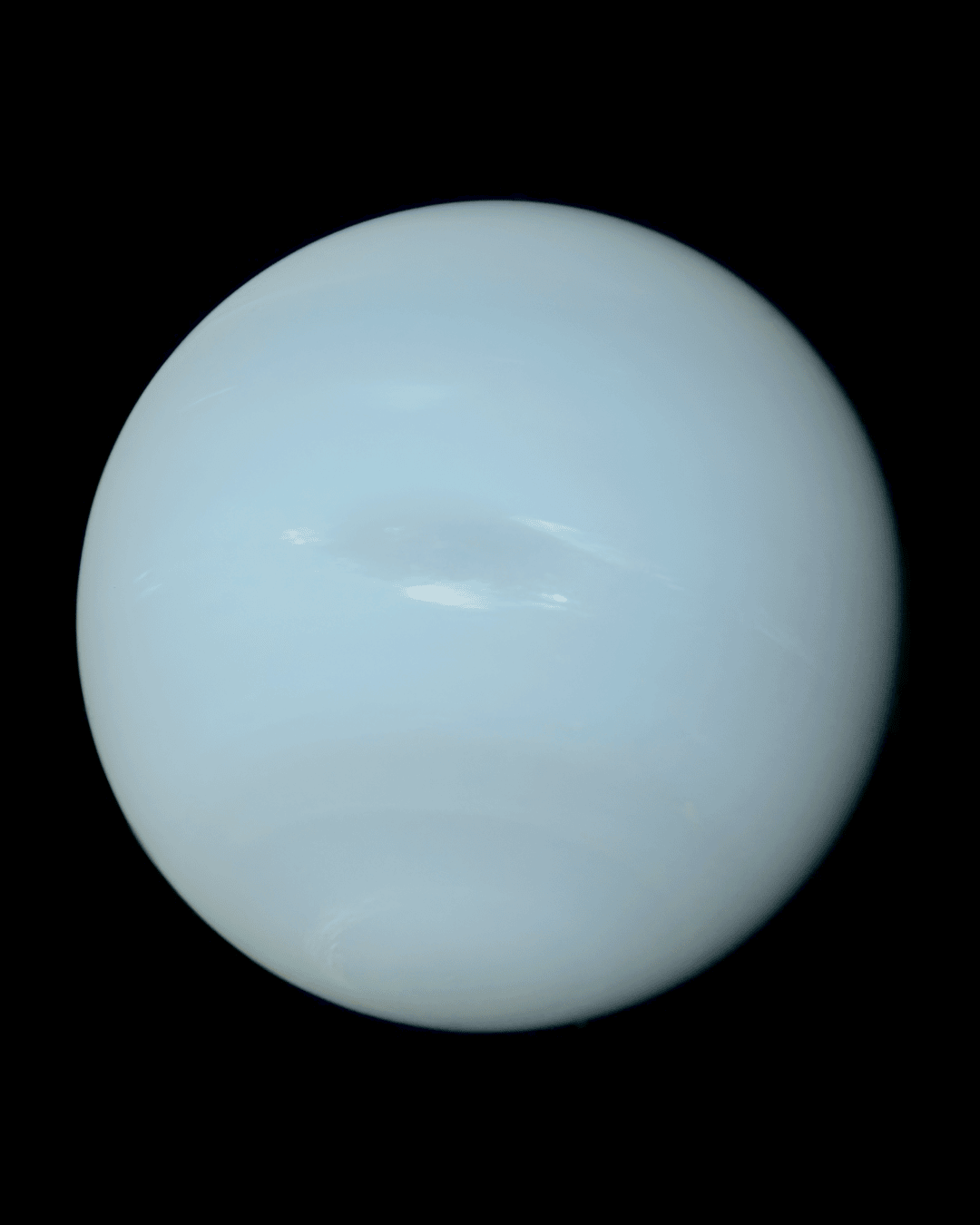
Neptune is a distant, icy giant with fierce winds and deep blue storms.
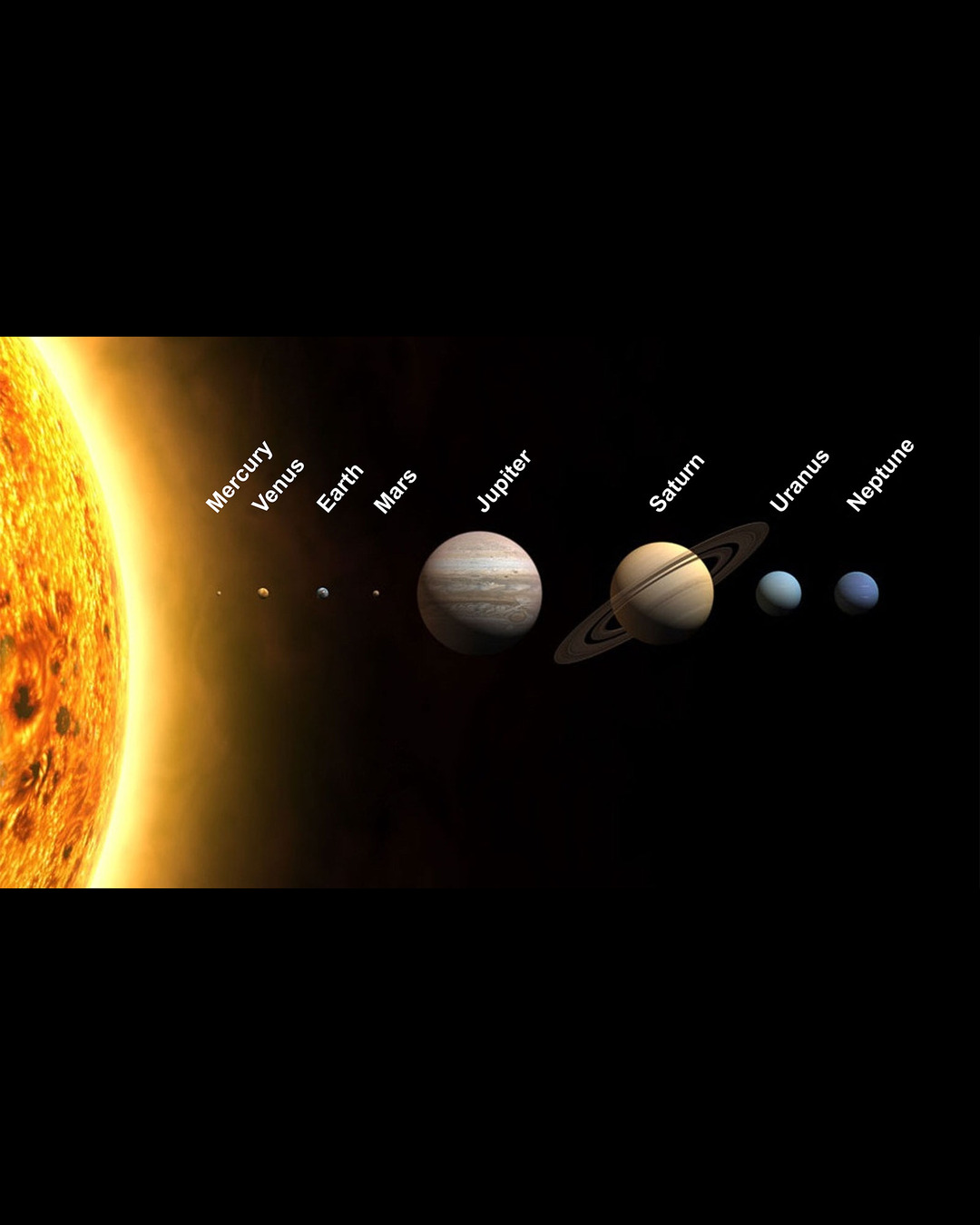
A visual of the solar system with the Sun and all eight planets lined up in order from closest to farthest: Mercury, Venus, Earth, Mars, Jupiter, Saturn, Uranus, and Neptune.
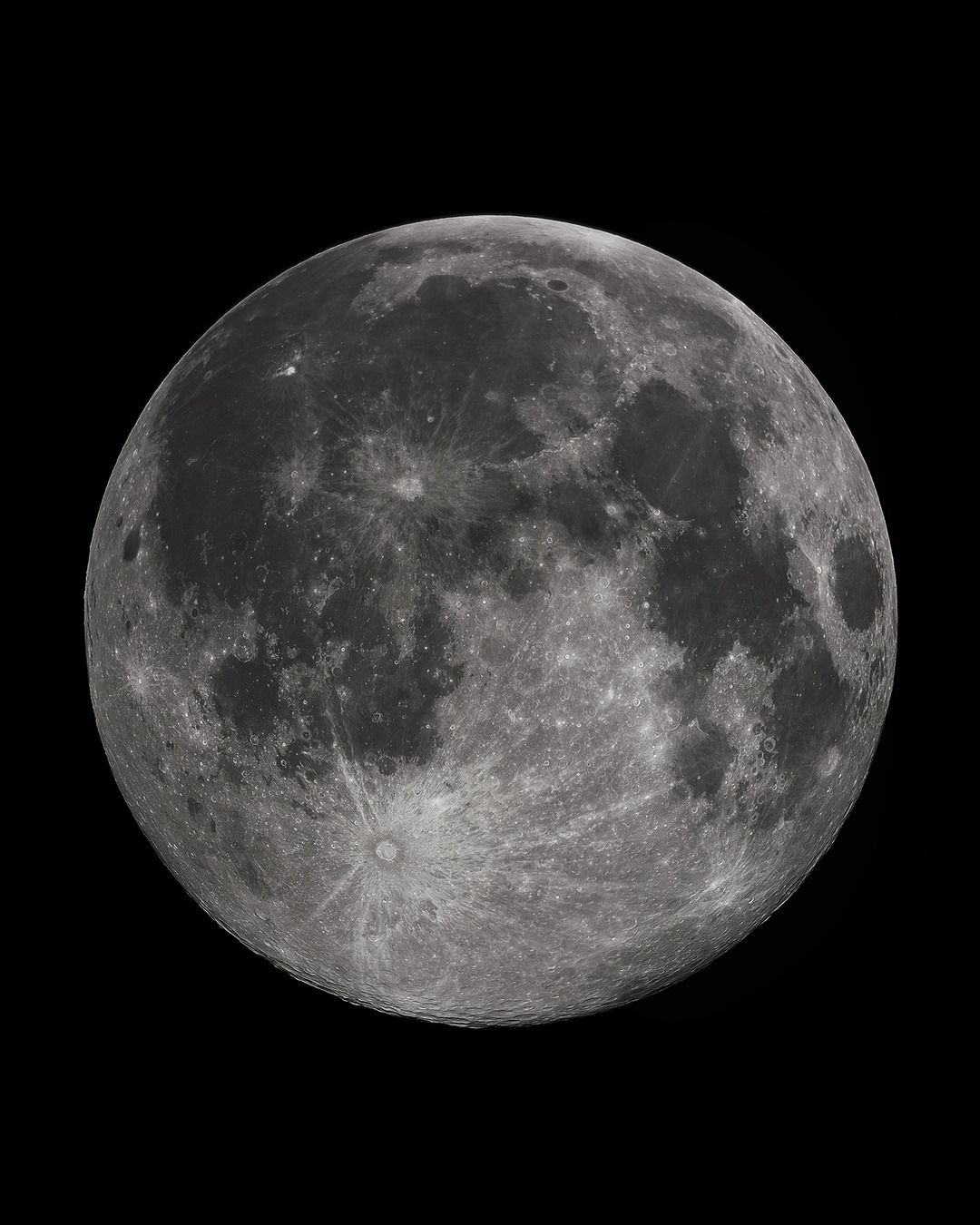
Earth's natural satellite, the Moon influences tides and was the site of the first human landing in 1969.
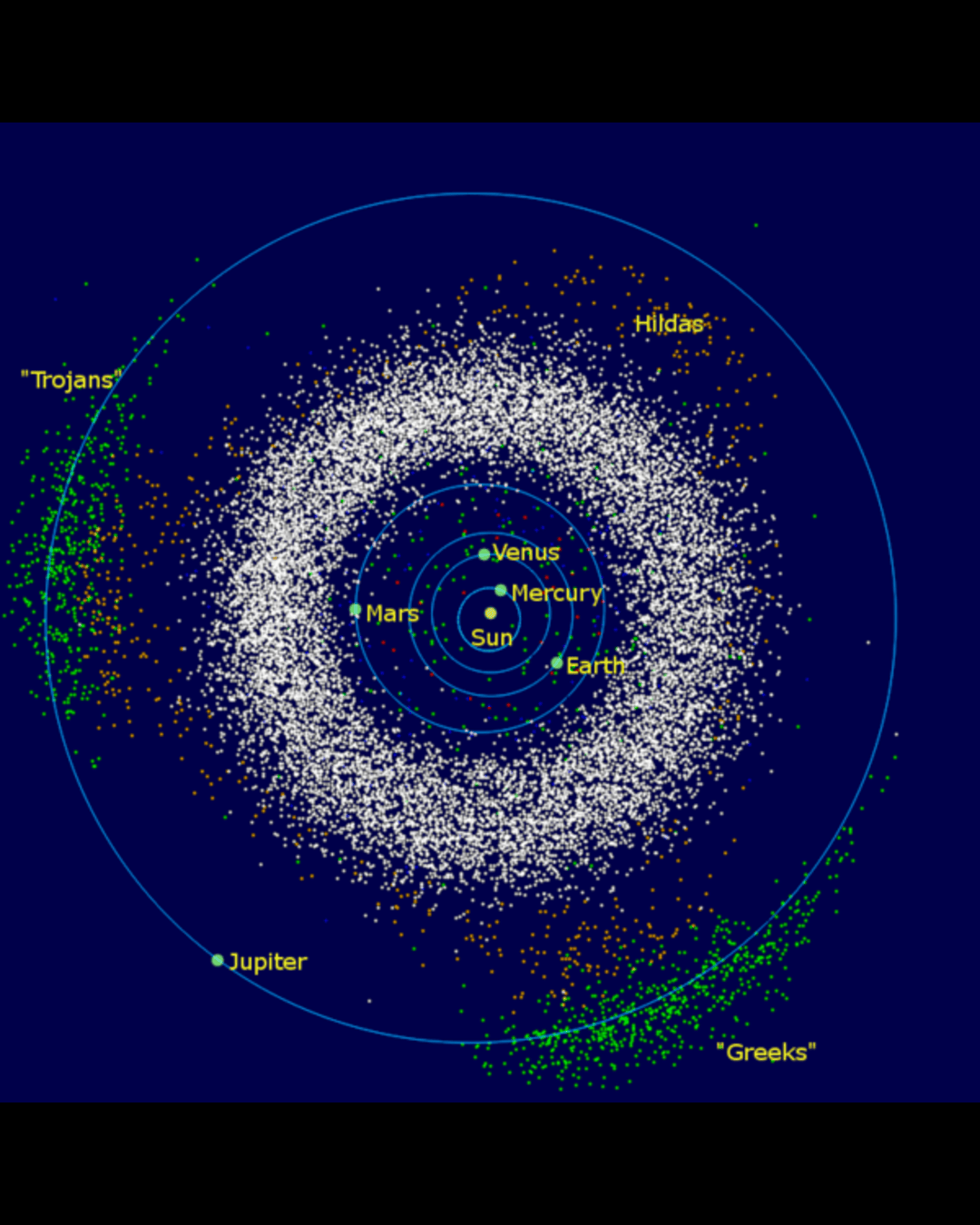
This region between Mars and Jupiter contains numerous rocky bodies left over from the solar system's formation.
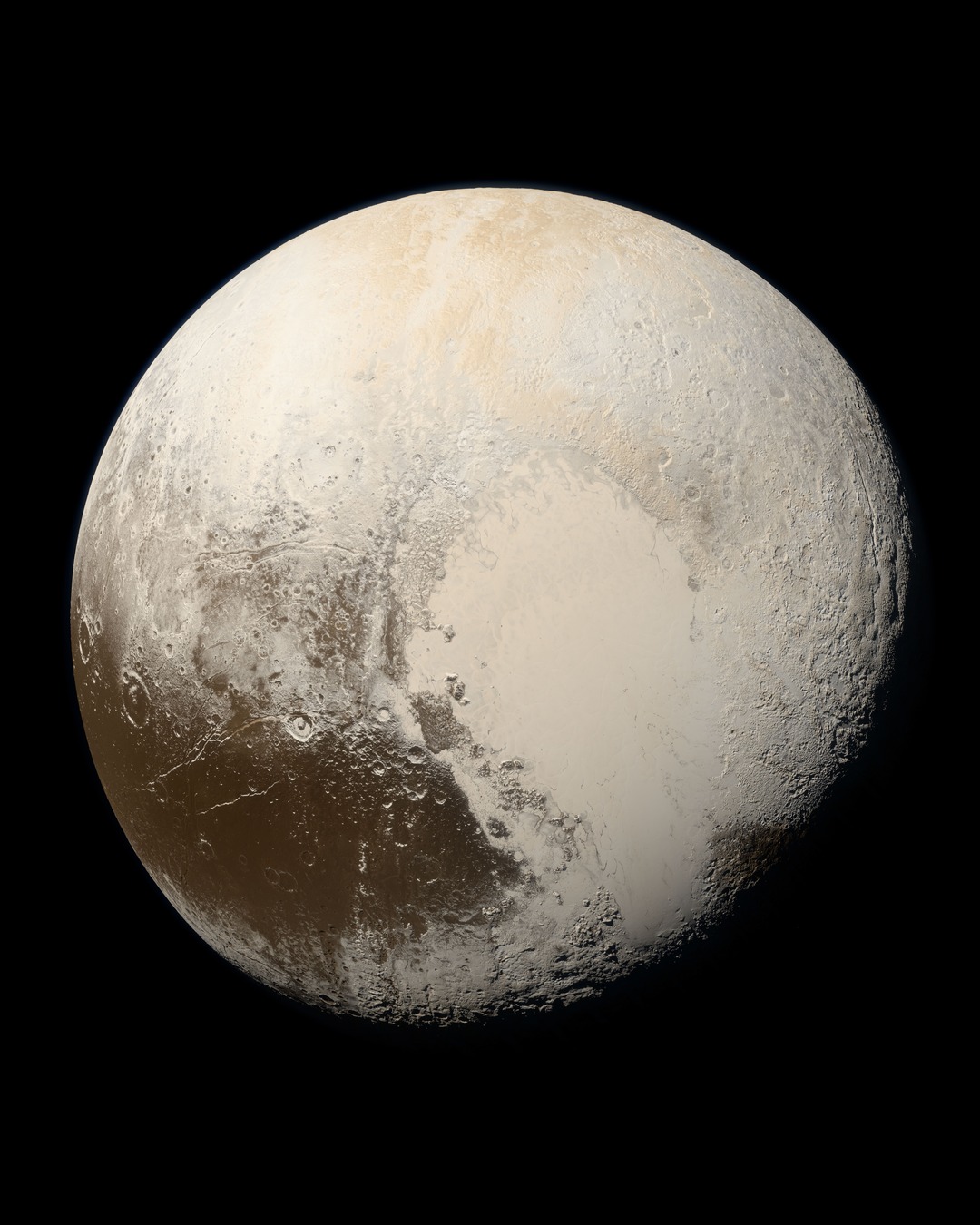
Once considered the ninth planet, Pluto is now a dwarf planet in the Kuiper Belt.