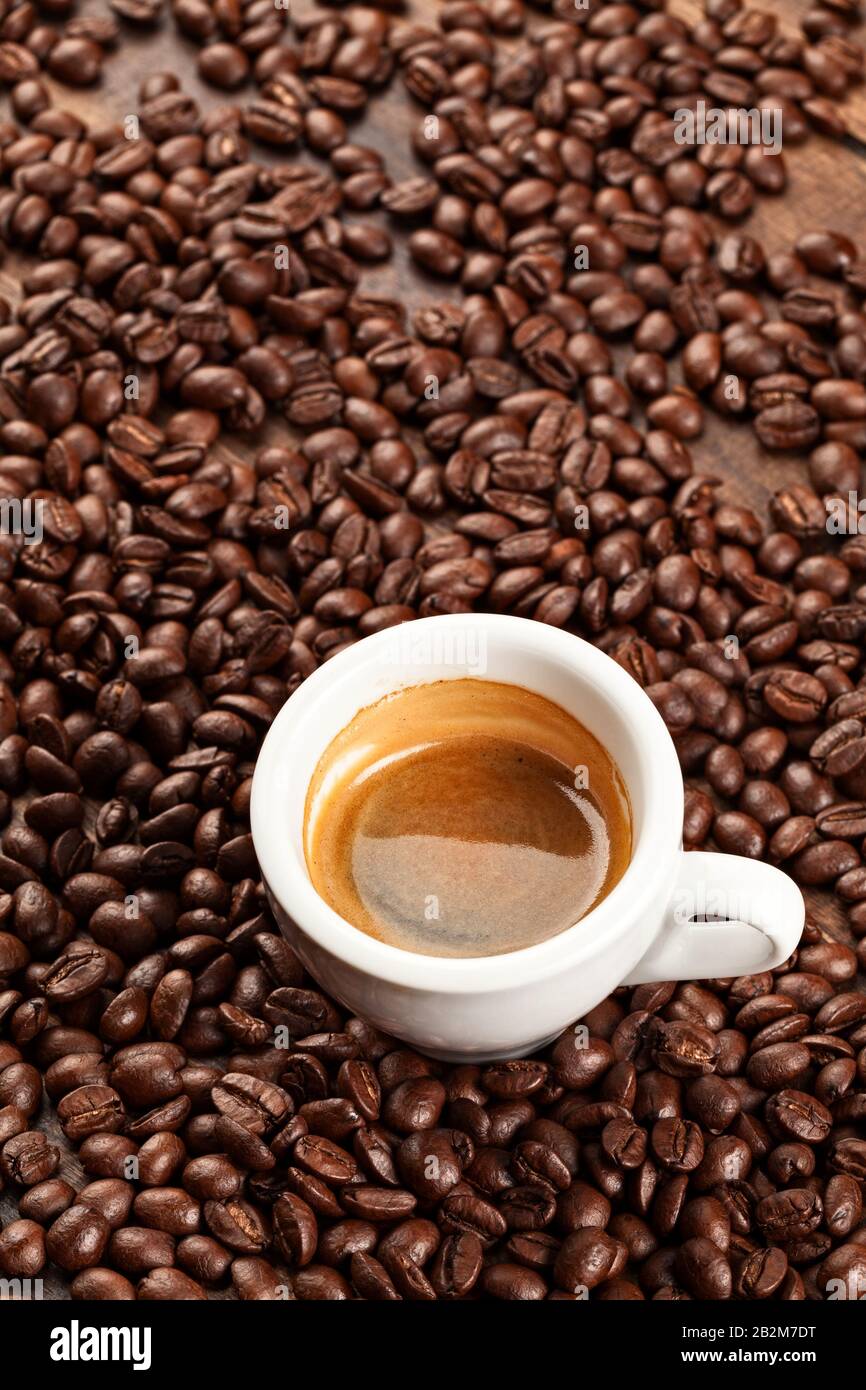
Brewing with beans
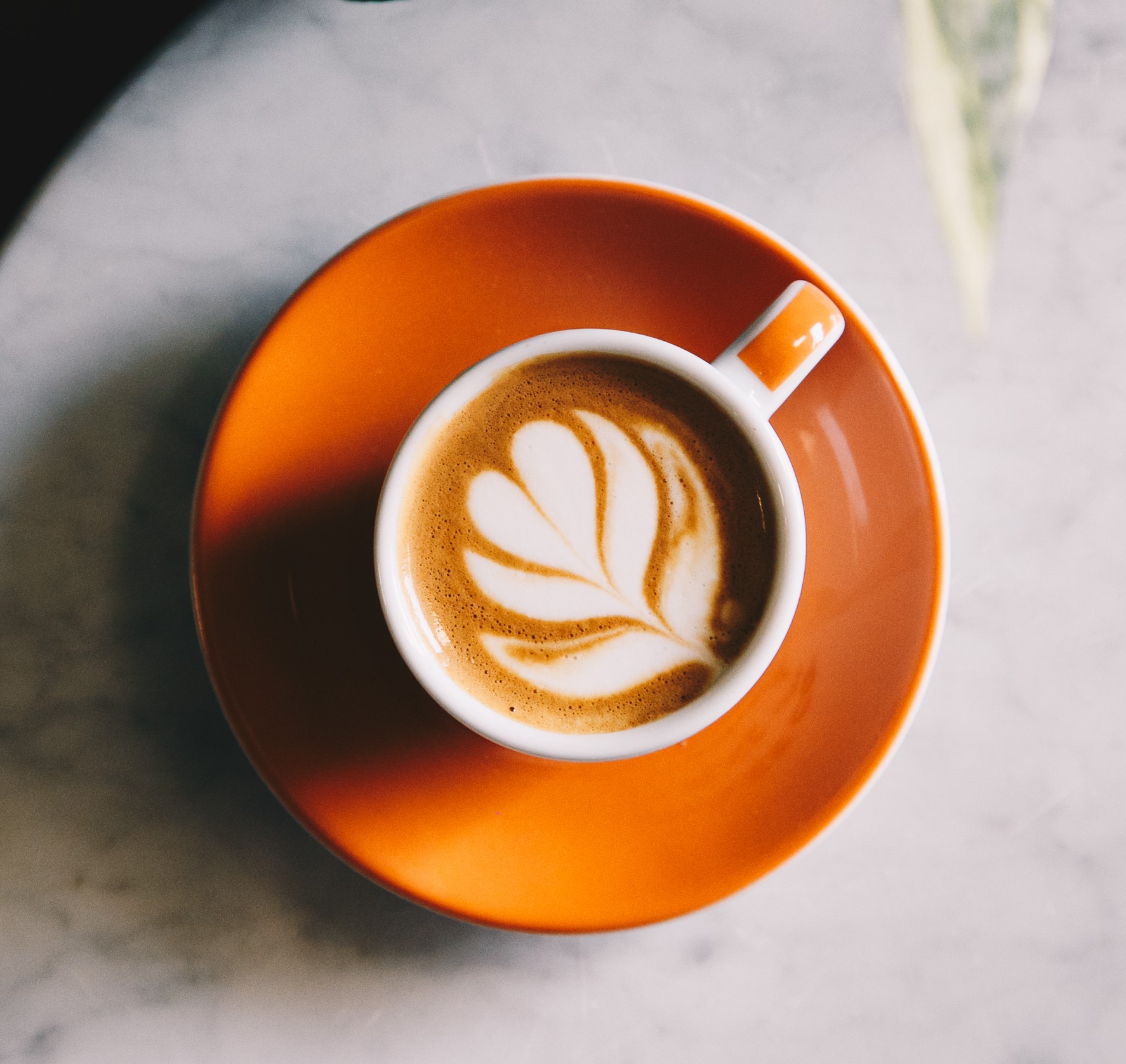
Cappuccino Art
Enjoying Hot Coffee
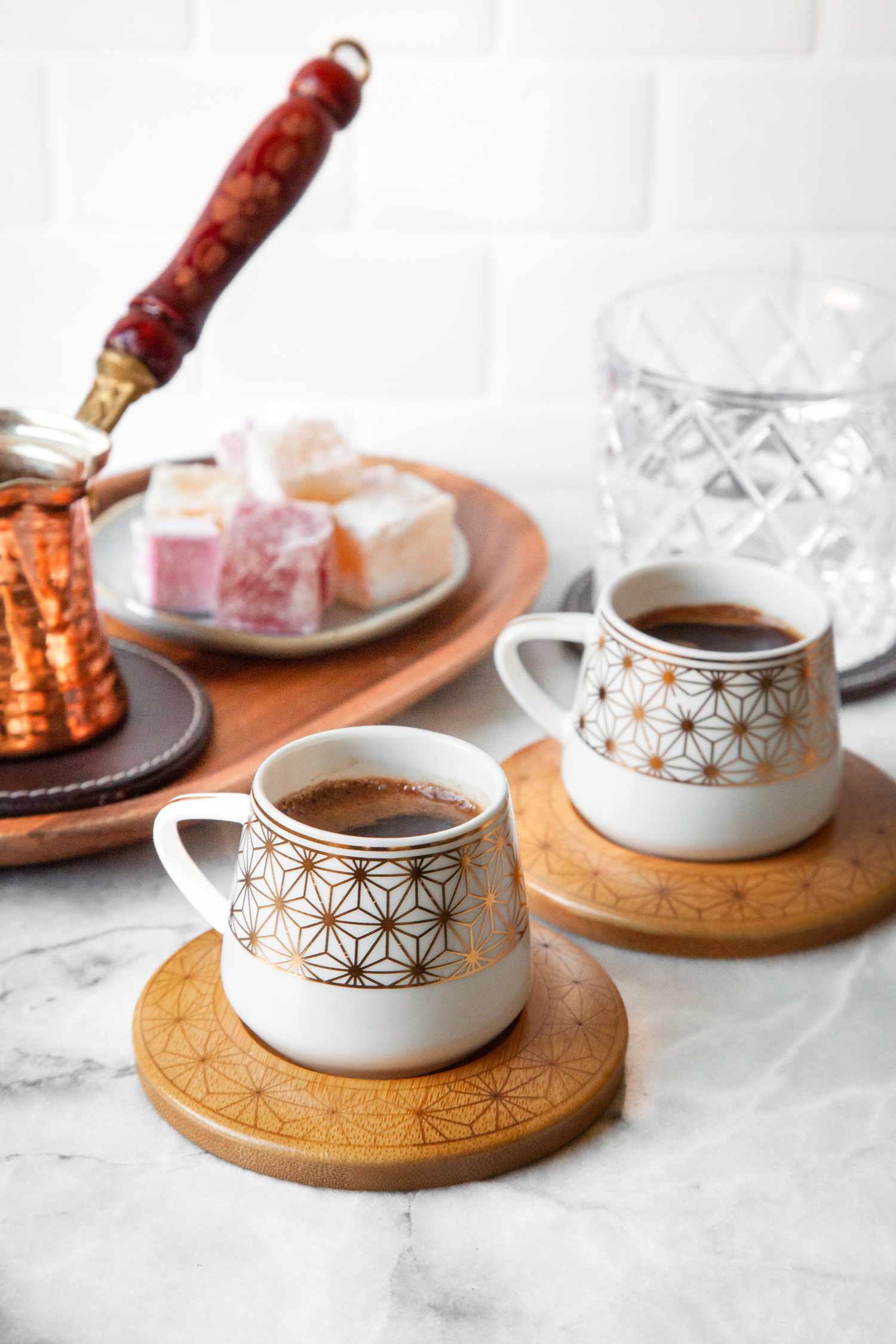
Classic Turkish Coffee
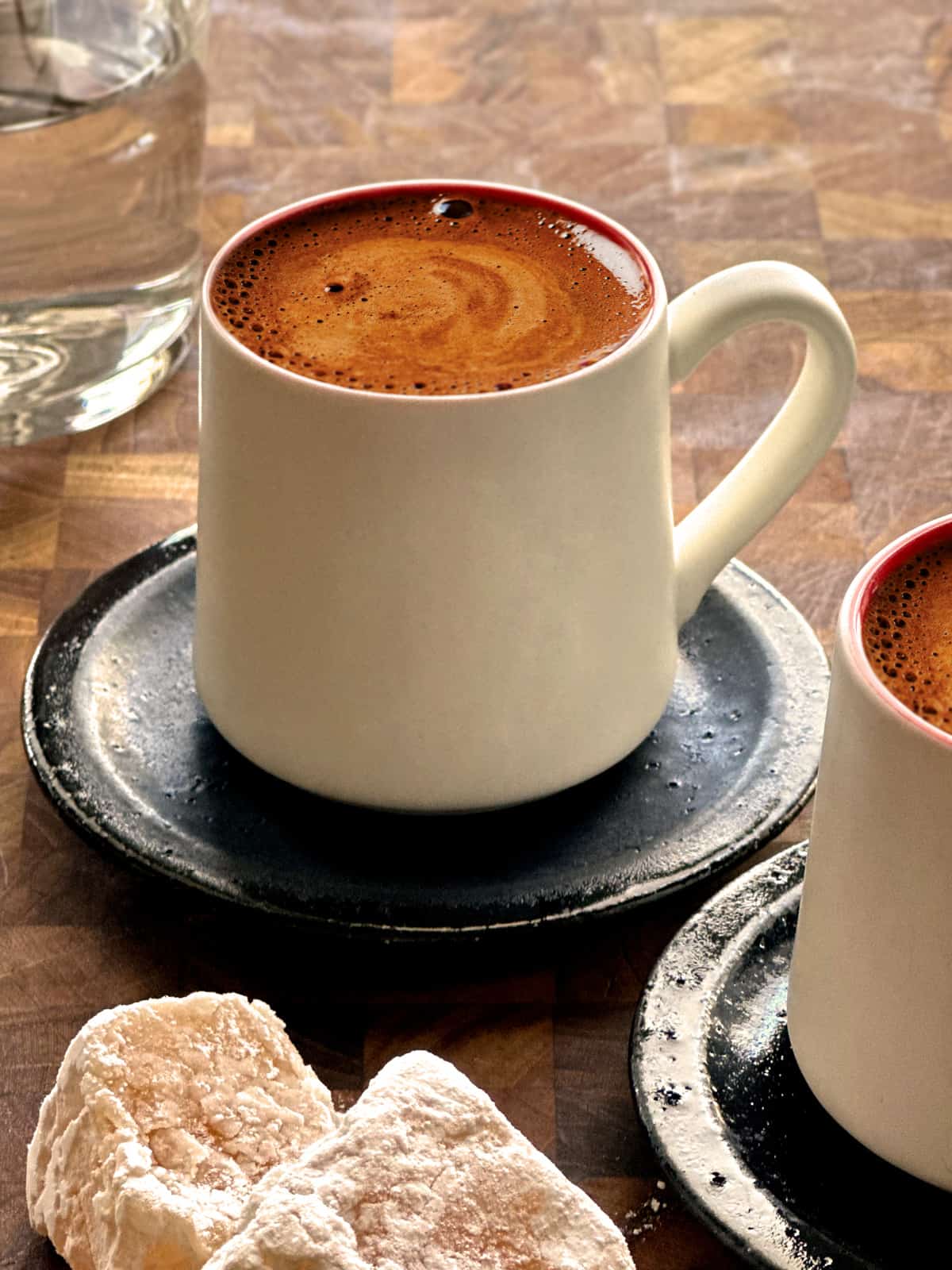
Authentic Greek Coffee
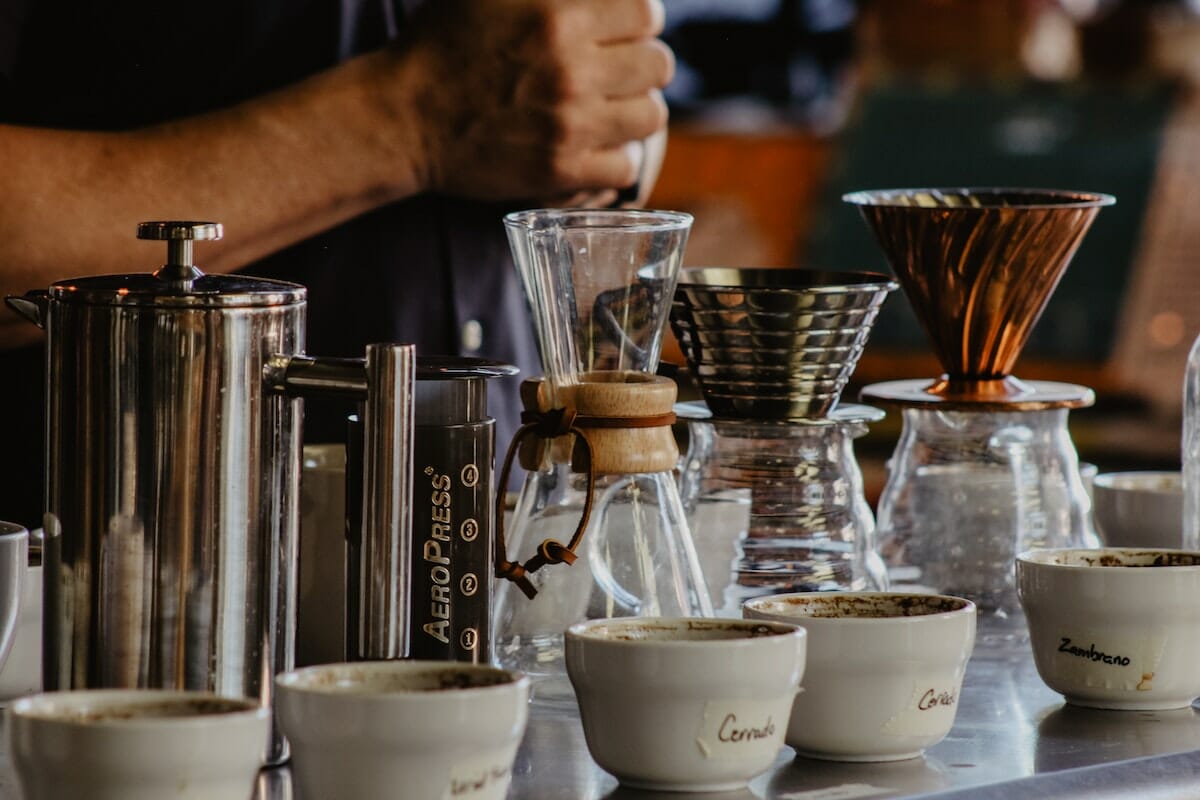
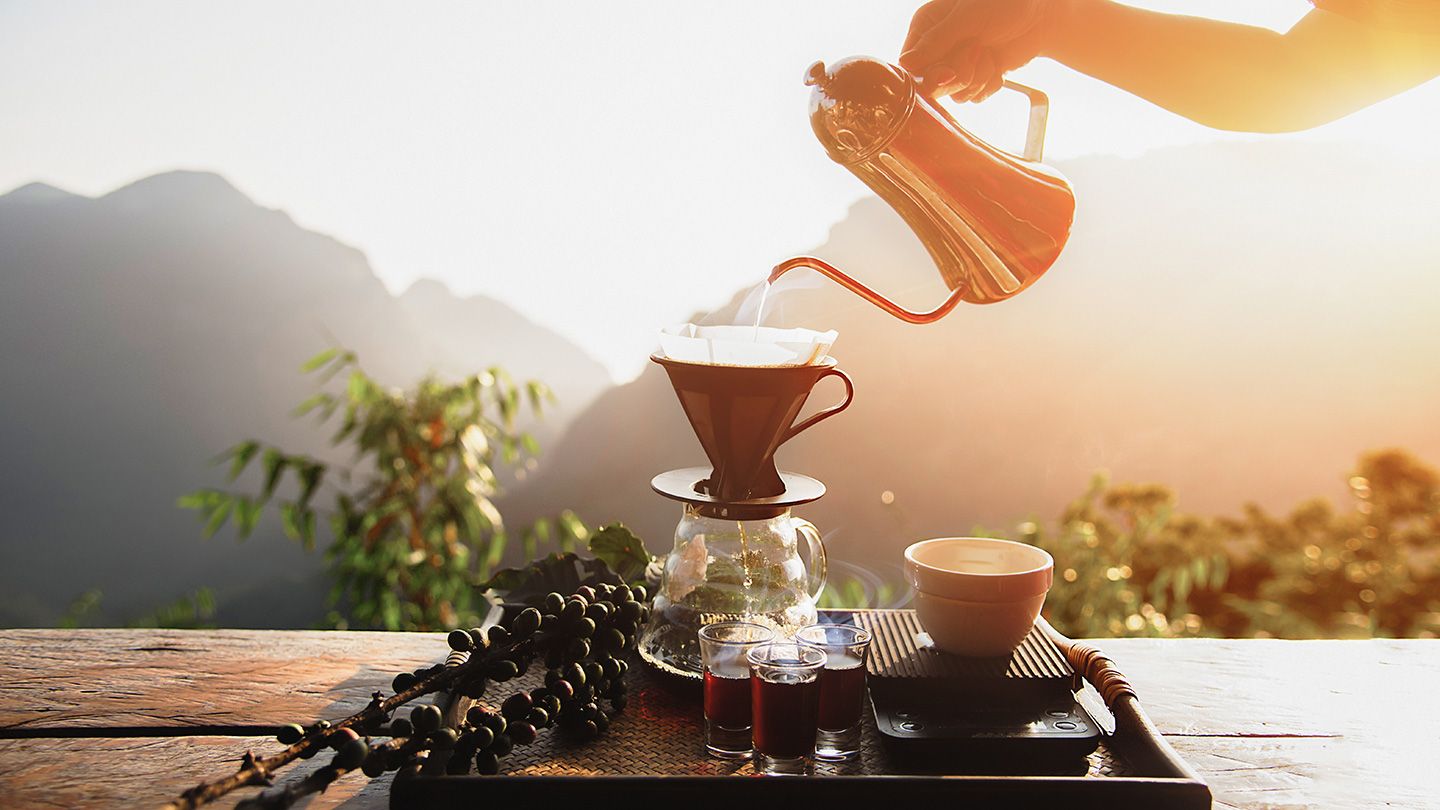
Coffee brewing is both an art and a science. At its core, brewing coffee is about extracting the flavors and aromas from coffee grounds using hot water. The key elements that affect the quality of your brew include the coffee-to-water ratio, water temperature, grind size, and brewing time. Understanding these basics will help you craft the perfect cup, whether you're using a French press, pour-over, or espresso machine. Each method has its own unique characteristics, but the goal is always the same—capturing the essence of the beans in your cup.
The type of coffee beans you choose is crucial to the flavor of your brew. There are two main types: Arabica and Robusta. Arabica beans are known for their smooth, rich flavors, while Robusta beans have a stronger, more bitter taste. The freshness of your beans is also essential—coffee tastes best when brewed with freshly ground beans. Whole beans retain their flavor longer than pre-ground coffee, so it's always a good idea to grind them just before brewing for the most aromatic experience. Depending on your preference, you can experiment with different roasts, from light to dark, to discover what suits your taste buds.
The water you use is just as important as the coffee itself. Coffee is about 98% water, so its quality directly affects the final taste. The ideal water temperature for brewing is between 195°F and 205°F (90°C to 96°C). Water that's too hot can result in over-extraction, making the coffee taste bitter, while water that's too cold will lead to under-extraction, resulting in a weak, sour taste. Additionally, the mineral content in water can influence the brew's flavor. If you're using tap water, try to ensure it's clean and free of strong flavors, or consider using filtered water to enhance your coffee's clarity.
There are several popular brewing methods to explore, each offering a different experience. The French press is known for its rich, full-bodied flavor, while the pour-over method provides a cleaner, more delicate cup. For those who enjoy espresso, an espresso machine delivers a concentrated, bold shot of coffee. Each method has its own optimal grind size, brewing time, and technique, so it's worth experimenting to find the one that best suits your taste. Whether you prefer a classic drip coffee or a more intricate pour-over, learning the ins and outs of each method will elevate your coffee brewing skills.
The grind size of your coffee beans plays a critical role in how your coffee will taste. Different brewing methods require different grind sizes to extract the best flavor. For instance, French press brewing works best with a coarse grind, while pour-over methods benefit from a medium grind. Espresso requires a fine grind to create the perfect shot. If the grind is too coarse or too fine for your chosen method, it can lead to under-extraction (weak flavor) or over-extraction (bitter taste). Experimenting with grind size is key to mastering the art of brewing the perfect cup.
Brewing with beans
Cappuccino Art
Enjoying Hot Coffee
Classic Turkish Coffee
Authentic Greek Coffee